Local Awareness Raising Event – Cyprus
Dora Heracleous
SYNTHESIS Center for Research and Education
In the face of growing migration and shifting demographics across Europe, empowering migrant women—particularly those in rural areas—has become both a moral imperative and a policy challenge. The European project Together We Can (TWC), funded under the Erasmus+ programme, is leading the way in identifying actionable solutions through local engagement, focus groups, and best practice sharing across multiple partner countries, including Cyprus, Austria, Italy, Greece, and France.
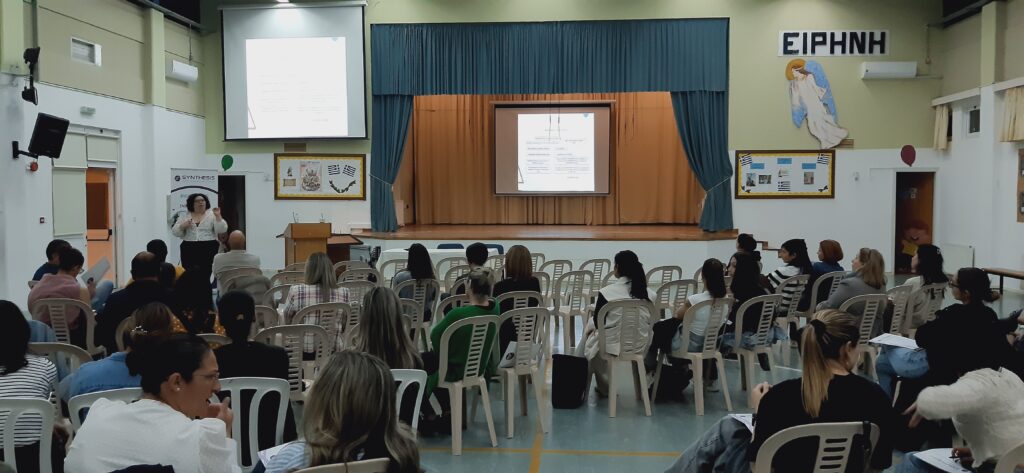
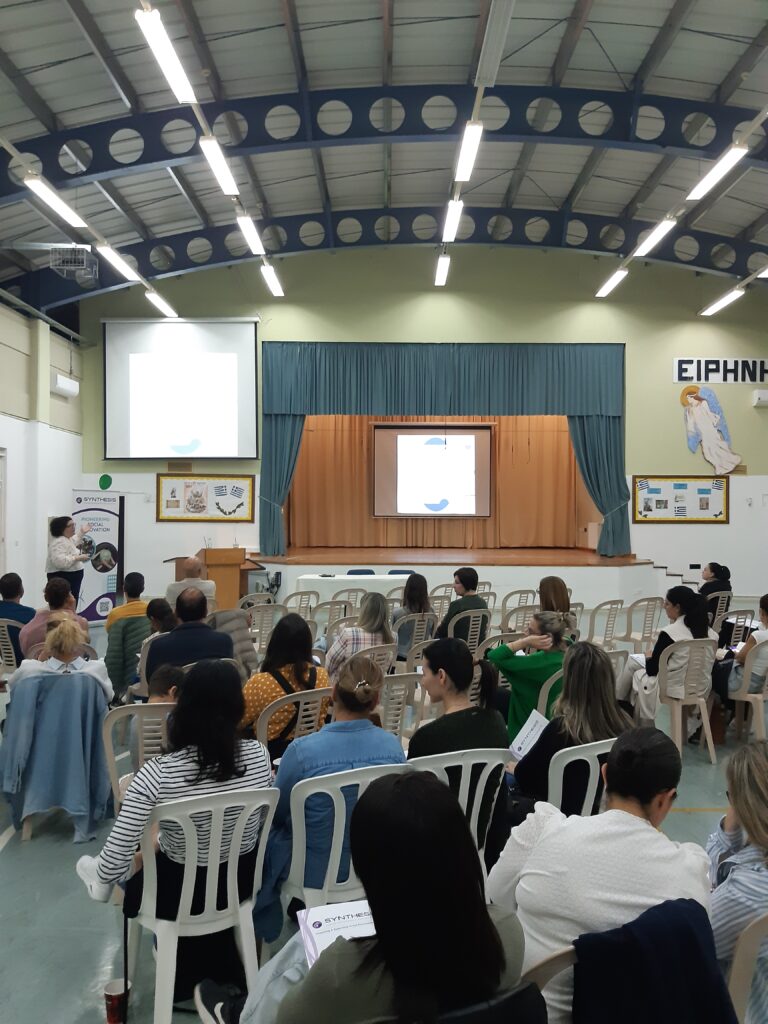
The project’s central aim is to foster integration, empowerment, and access to education and employment for migrant women. Its recent policy recommendations draw on fieldwork conducted with stakeholders such as NGOs, local governments, and the women themselves. Here are the critical takeaways that were extensively discussed during the Local Awareness Raising Event of the project in Cyprus. The event took place on May 27th, 2025 and a total number of 43 participants attended.
1. Integration Requires Gender-Sensitive and Holistic Policy Approaches
A recurring theme across all national reports is the lack of gender-sensitive migration policies. In Cyprus, for instance, integration policies have been criticized as “gender-blind,” overlooking the unique vulnerabilities of women—such as risks of exploitation, lack of childcare support, and exclusion from decision-making spaces.
Austria and France show progress with dedicated programs like “Mama lernt Deutsch” and municipal-level integration projects offering tailored services for migrant mothers. Yet, even in more advanced systems, women still face significant language barriers, non-recognition of foreign qualifications, and systemic discrimination.
Recommendation: Governments must adopt intersectional, gender-specific integration frameworks that address the layered challenges of migrant women and go beyond generic labour market entry schemes.
2. Language and Skills Training Must Be Flexible and Accessible
Lack of language proficiency is one of the main barriers to employment and social inclusion. The reports stress the need for flexible learning options—including childcare support, evening classes, and digital tools—that reflect the real-life constraints migrant women face.
In both Austria and Italy, targeted language and vocational training with cultural mediation services have proven to enhance women’s autonomy and job readiness.
Recommendation: Launch community-based and mobile learning hubs offering language, digital literacy, and vocational training, integrated with local support services.
3. Community Hubs and Safe Spaces Are Catalysts for Empowerment
Successful integration begins in the community. Programs such as Cyprus’ Dignity Center Nicosia and Italy’s social cafe-style empowerment workshops show the effectiveness of safe spaces for building trust, fostering peer support, and offering wraparound services—from legal counselling to CV writing.
These hubs not only offer training but act as platforms for socialization and leadership development, giving migrant women a sense of belonging and agency.
Recommendation: Replicate and scale community hubs where migrant women can receive training, mentorship, and psychosocial support—anchored in local networks of trust.
4. Multi-Stakeholder Collaboration Is Key to Long-Term Impact
Across the reports, the importance of cross-sectoral collaboration is emphasized. Whether it’s municipalities partnering with NGOs in Greece, or employers engaging with support centres in France, joint action ensures that efforts are coherent, non-duplicative, and responsive to real needs.
Recommendation: Institutionalize local integration councils composed of migrants, civil society actors, employers, and educators to co-design and monitor policies and services.
5. Migrant Women Must Be Agents, Not Just Beneficiaries
One of the most important messages from the TWC project is the call to recognize and elevate migrant women’s own voices in shaping the policies that affect them. Focus groups revealed a hunger for participation—from policy consultations to community development activities.
Recommendation: Ensure participatory policymaking and create formal mechanisms (e.g., advisory boards, youth/women panels) for migrant women to engage in shaping integration strategies.
Moving Forward: From Policy to Practice
The Together We Can project underscores that meaningful integration isn’t just about job placements or language certificates. It’s about fostering a sense of inclusion, dignity, and equal opportunity—especially for those often left at the margins of society.
By listening to the voices of migrant women and translating their experiences into concrete action, European communities can turn inclusion into innovation and diversity into strength.
As the TWC project shows, we can—and must—move from fragmented efforts to coordinated, inclusive, and empowering strategies that ensure migrant women not only survive but thrive.